Science
Hair Science Hub — Cuticle, Porosity & Frizz
Explore how cuticle structure, porosity, and humidity chemistry drive frizz—and what that means for your routine.
Frizzy Hair
Science · Updated July 2026
Understand cuticle layers, lifted vs smooth scales, and how cuticle damage creates frizz in any climate.
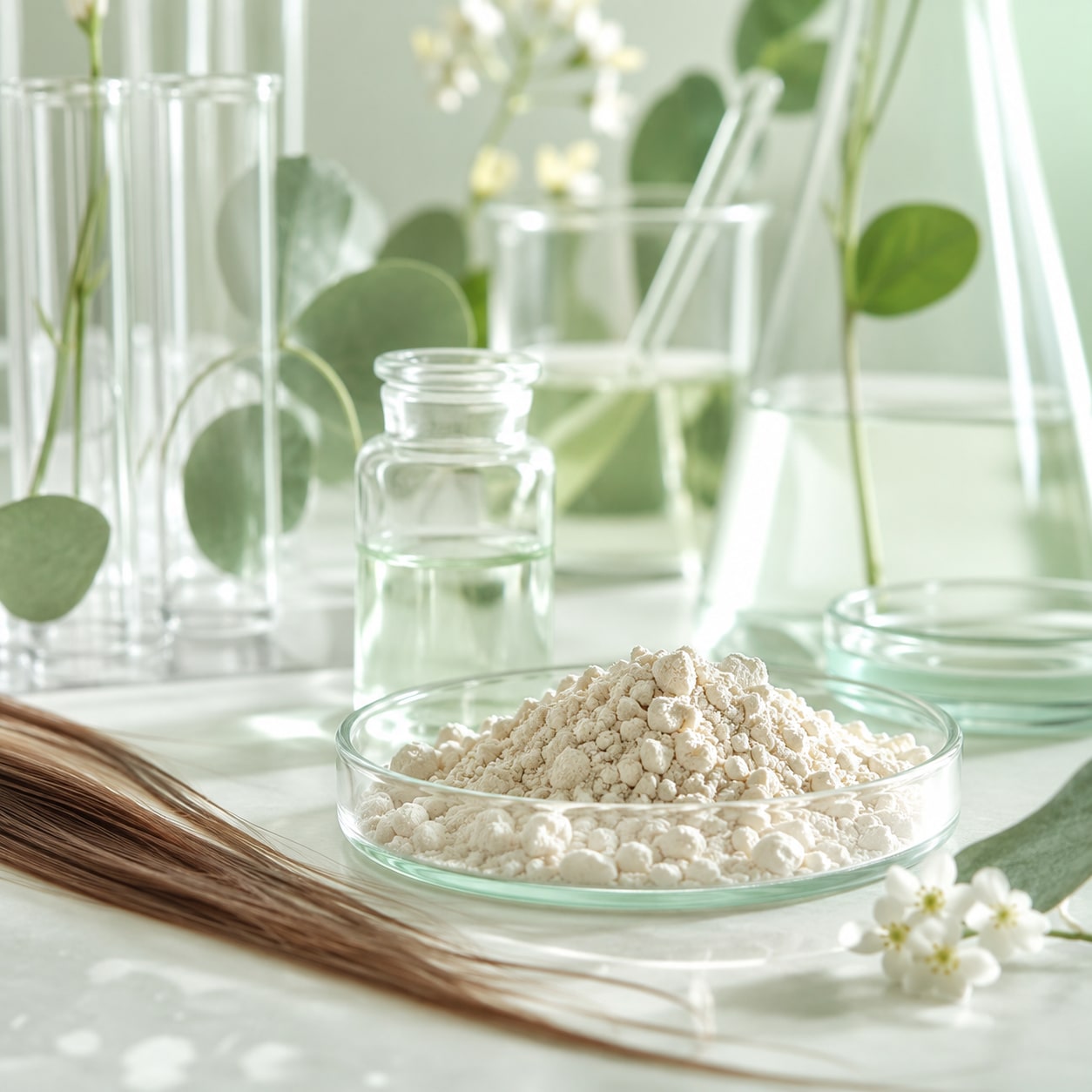
Frizz happens at the cuticle first—before you ever debate serum brands. The cuticle is a shingle-like layer of dead keratin cells wrapping the hair cortex. When those shingles lie flat, strands slide past each other, reflect light evenly, and slow water vapor exchange. When shingles lift or chip, friction rises, moisture rushes in or out unpredictably, and you see frizz whether the air is tropical or desert-dry.
Every cause silo on frizzyhair.com ultimately maps back to this surface.
Human hair typically has five to ten cuticle layers, each roughly 0.5 micrometers thick. Scales point toward the tip—like roof tiles aimed downward. Healthy grooming moves with that direction; brushing upward from tips to roots lifts edges prematurely.
Under the cuticle sits the cortex (strength and melanin) and sometimes a medulla at the core (more common in coarse hair). Frizz visible to your eye is almost always cuticle and cortex moisture disruption—not medulla issues.
Smooth cuticle:
Lifted cuticle:
Damage sources detailed in damage frizz hub: heat, bleach, mechanical abrasion.
Conditioning agents temporarily adhere to the cuticle, filling micro-gaps and reducing friction. Silicones add a hydrophobic film that slows humidity penetration. Neither rebuilds missing scales—they manage symptoms while you reduce new injury.
Overuse without clarifying creates buildup that cracks and frizzes—especially on low porosity hair.
Trims remove stage 3–4 length; stages 1–2 respond to gentler handling and sealing.
Each bend in wavy, curly, or coily hair concentrates mechanical stress on outer curve cuticles—why curly frizz intersects heavily with cuticle care even without chemical damage.
Home tests are imperfect but useful:
Pair with hair porosity guide.
When lifted cuticles meet humid air, hydrogen bonds in the cortex rearrange as internal moisture rises—see why humidity causes frizz for the full mechanism.
The cuticle is frizz ground zero: flat scales protect; lifted scales frizz in every climate. Smooth temporarily with conditioner and film-formers, stop lifting with gentler heat and chemical habits, and trim what cannot be resealed. Mechanism first—products second.
Frizz control improves when you treat each wash cycle as a controlled experiment rather than a new product hunt. Hold technique, timing, and dose constant for at least three cycles while changing only one variable—gel amount, dry method, or overnight protection. Note weather, indoor humidity if known, and how hair looked at four hours and end of day. Patterns emerge faster than switching bottles weekly.
Working routines show reduced styling time, fewer mid-day touch-ups, and frizz that stays localized (ends only) rather than global puff. If frizz shrinks but returns at the same time daily, check environmental triggers—commute humidity, gym showers, or office HVAC—before blaming product failure.
Persistent breakage, patchy hair loss, or sudden texture change after chemical service needs stylist or dermatologist input—not more anti-frizz serum. Trims every eight to twelve weeks remain part of maintenance even when routines stabilize; split ends cannot be sealed permanently at home.
Alkaline environments swell the cuticle; many high-pH sh soaps lift scales temporarily. Acidic conditioners help scales lie flat after cleansing—this is why some frizz routines finish with cool rinse or acidic toners. Extreme DIY vinegar rinses without dilution can damage over time; follow established dilution guidance if you experiment.
Sun exposure degrades cuticle lipids over time, increasing frizz sensitivity. Hats and UV-filter sprays reduce cumulative lift. Chlorine and salt water raise cuticle roughness—rinse after swimming before hair fully dries in sun.
Temporary smoothing from conditioners lasts until next harsh wash or friction event. Permanent improvement requires growing new hair with reduced damage habits—typically months, not days. Set expectations accordingly when reading marketing claims about repair.
The cuticle is the outermost layer of overlapping keratin scales that protect the cortex. Smooth scales reflect light and regulate moisture entry.
Heat above safe temperatures, chemical processing, rough towel drying, aggressive brushing, UV exposure, and high-pH products can lift or remove scales.
Conditioners and silicones temporarily smooth and fill gaps. They do not regenerate removed scales; only time and reduced damage allow new healthy hair to grow in.
Rough feel when sliding fingers from root to tip on dry hair, persistent frizz across climates, and rapid moisture absorption suggest lifted cuticles.
Weekly frizz fixes — no spam.
Explore how cuticle structure, porosity, and humidity chemistry drive frizz—and what that means for your routine.
Learn how low and high porosity change moisture exchange at the cuticle—and why each frizzes differently.

The science of how water vapor swells hair through the cuticle and disrupts hydrogen bonds in the cortex.