Comparisons
Air Dry vs Diffuser for Frizz — Compared
Trade-offs between air drying and diffusing for frizz control, definition, and humidity exposure.
Frizzy Hair
Comparisons · Updated July 2026
Compare how serums and styling creams fight frizz at the cuticle and when each product type fits your routine.
Serum vs cream for frizz is not about which product wins—it is about which mechanism your hair needs first. Frizz happens when moisture crosses a rough cuticle unchecked. Serums primarily seal the surface with film-forming ingredients. Styling creams primarily hydrate and lightly hold while smoothing. Choose wrong and you either coat dry hair without fixing moisture loss or weigh fine strands into poof.
| Factor | Serum | Styling cream |
|---|---|---|
| Primary action | Surface seal | Moisture + light hold |
| Best on | Sealed damp or dry flyaways | Damp thick, wavy, curly hair |
| Humidity block | Strong (film-formers) | Moderate alone |
| Dry frizz help | After leave-in only | Strong when applied damp |
| Fine hair risk | Greasy if overused | Flattening if heavy |
Category deep dives: serums and styling creams.
Serums deposit silicones, polymers, or specialty humidity blockers in concentrated form. They:
They do not deeply hydrate. Applying serum to dry, dehydrated hair adds slip without fixing cortex moisture deficit.
Creams are emulsions—water plus conditioning agents plus emollients. They:
In extreme humidity, cream without gel or serum seal often fails on curls—see humidity curly hair.
Humidity routines: humidity-proof routine.
Curly and coily routines often run: leave-in → cream → gel → optional serum on dry flyaways.
Fine hair rarely needs both full-dose—pick one primary seal.
Serum only on dry frizz — Coats without hydrating; frizz returns.
Heavy cream on fine roots — Poof volume in humidity.
Cream alone in tropical humidity — Definition loss; add gel.
For serum picks by hair type, see Hair Serums.
Serum vs cream maps to seal vs hydrate: serums block moisture exchange at the surface after hydration; creams moisturize and lightly control on damp hair. Match to cause, texture, and humidity level—often layered on curly hair, singular on fine hair.
Frizz control improves when you treat each wash cycle as a controlled experiment rather than a new product hunt. Hold technique, timing, and dose constant for at least three cycles while changing only one variable—gel amount, dry method, or overnight protection. Note weather, indoor humidity if known, and how hair looked at four hours and end of day. Patterns emerge faster than switching bottles weekly.
Working routines show reduced styling time, fewer mid-day touch-ups, and frizz that stays localized (ends only) rather than global puff. If frizz shrinks but returns at the same time daily, check environmental triggers—commute humidity, gym showers, or office HVAC—before blaming product failure.
Persistent breakage, patchy hair loss, or sudden texture change after chemical service needs stylist or dermatologist input—not more anti-frizz serum. Trims every eight to twelve weeks remain part of maintenance even when routines stabilize; split ends cannot be sealed permanently at home.
Document hair at the same time of day under similar indoor lighting weekly. Compare photos before changing products again. Frizz improvement is often incremental—half-point reduction in daily touch-ups counts as success. Share notes with stylist so trims and chemical services align with your frizz cause profile.
Social media often recommends single-product miracles without cause context. If a creator has fine 2A hair, their humidity routine may fail on 3B high-porosity hair. Borrow techniques, not exact products, unless cause and texture match yours closely.
Serums often provide stronger humidity-blocking films on already hydrated hair. Creams add moisture but may need gel partner in extreme humidity.
Yes on thick or curly hair: cream for moisture on damp hair, serum as final seal. Fine hair should use one or the other in small doses to avoid weight.
Serums labeled weightless are usually lighter than styling creams. Apply mid-length to ends only.
Some creams overlap leave-in function but are not identical. Dedicated leave-in plus targeted cream or serum is clearer for frizz control.
Weekly frizz fixes — no spam.
Trade-offs between air drying and diffusing for frizz control, definition, and humidity exposure.
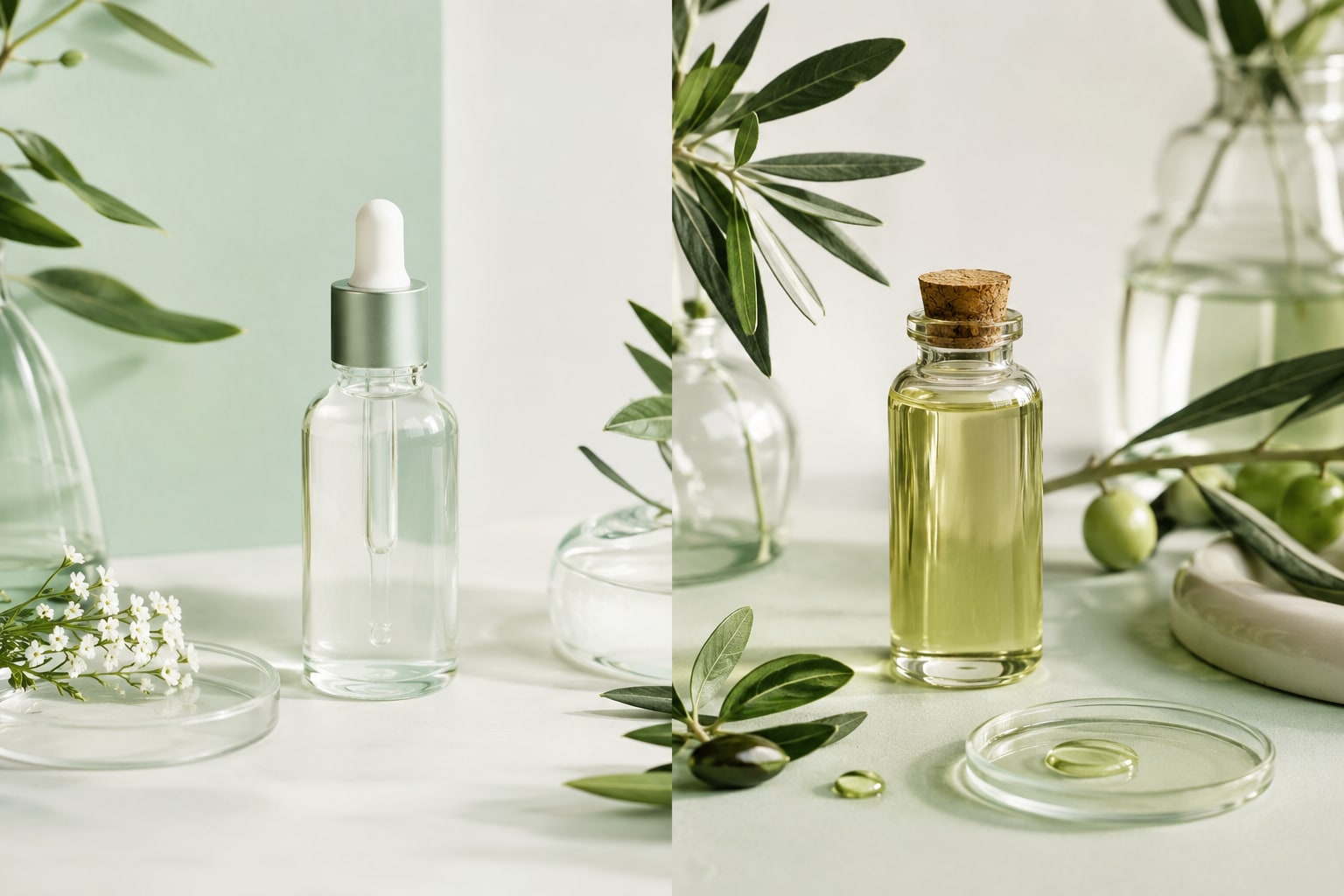
Why water-based leave-ins and oils fix frizz differently—and when each belongs in your routine.
Why curly and coily hair frizzes differently and how curl structure affects cuticle moisture exchange.